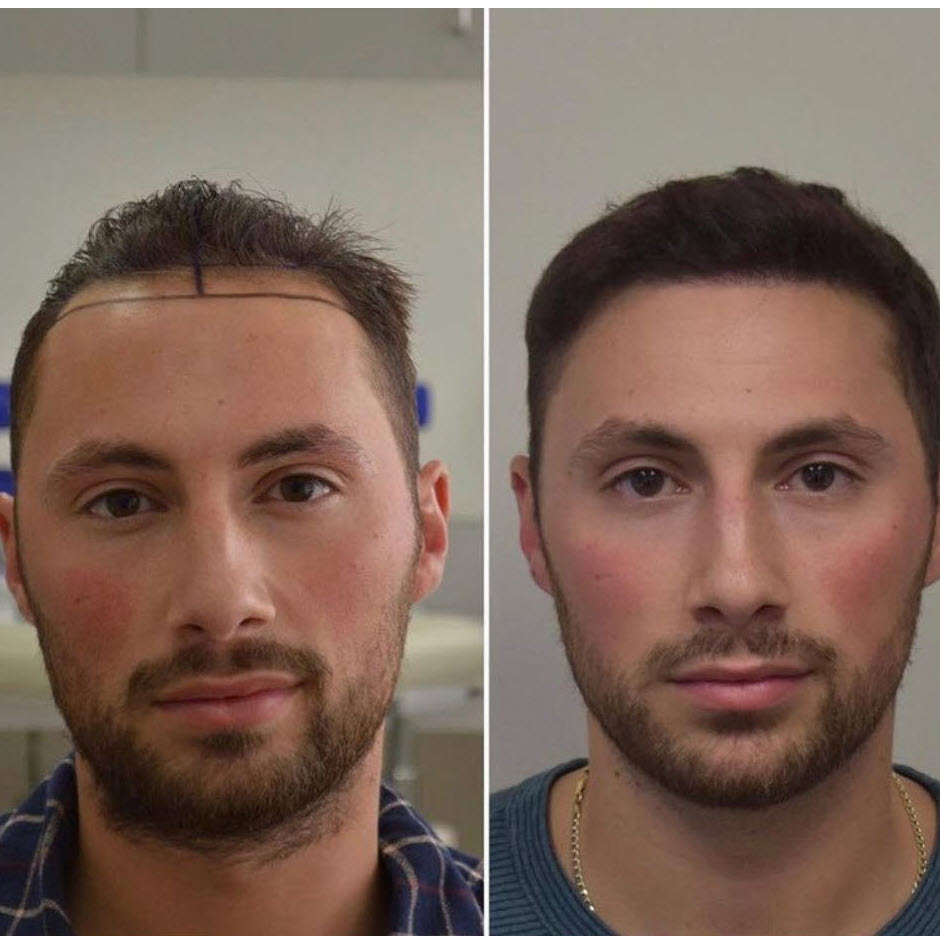
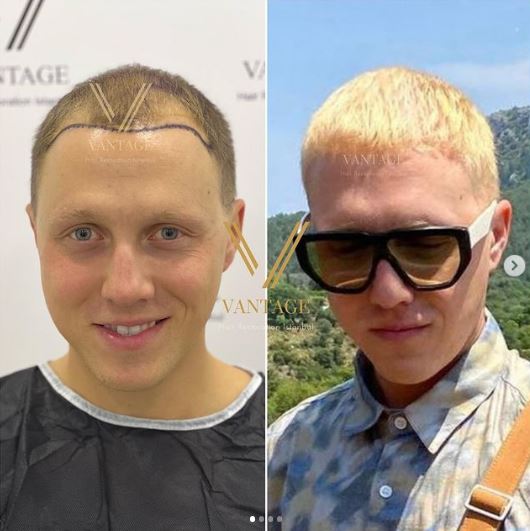
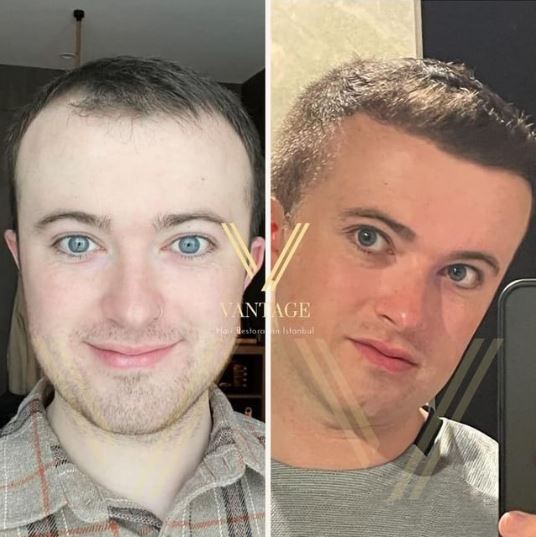
Good news from the medical world about hair follicle cloning and multiplication! There is a new science-led advancement to baldness: hair cloning. For the last 5 years, experts continue to conduct innovative research for cloning hair follicles, and have made findings that stimulate new hair growth!
Cloning follicles lets you have a full head of hair with less donor hair. Let’s take a look at how it stimulates new hair growth by creating multiplied follicle cells, and what hair loss solutions are currently available for hair transplantation.
What is Hair Follicle Cloning?
Cloning hair tissue has been presented as a definitive solution for baldness and scarring alopecia. It has created a lot of hope among people suffering from pathological hair loss with minimal donor hair as a permanent solution.
So far, there is no cure for alopecia-related hair loss forever. Yes, hair transplant surgery is the only way to permanently fix hair thinning and loss. But it depends on how much hair you still have. Follicular unit extraction method can increase the donor area by 35 to 50%. However, its success depends on having a strong donor area and healthy hair follicles.

Technology Behind Hair Follicle Cloning
Doctors take hair follicles when they are strong and cryopreserve them so you can use them in the future when you are bald. Just like the medical practice of egg freezing and sperm banking, hair cloning can be an excellent way to preserve your dense hair for the future.
In the past, scientists and specialists thought that when we experience hair loss, the hair follicles disappear completely from the scalp. However, it was discovered that the stem cells that make the follicles grow still remain in the head. This was a breakthrough in hair transplant technology.
It’s still too early to get our hopes up. Cloning technology is still in its baby stages, but a few groups have made small-scale demonstrations, including a few parts of this technology.

How Hair Follicle Cloning Works?
In hair transplant cloning, scientists need two types of cells in the process: dermal papilla cells and keratinocytes. Dermal cells as growth simulators control hair growth, while keratinocytes act as building blocks and build the shaft of hair. The germ cells of healthy follicles are multiplied in the laboratory.
Each reproductive germ cell comes together to form a hair shaft. Thus, hair follicle cloning involves the multiplication of healthy dermal papilla cells. By placing these cells in bald areas, cloned full-grown hairs are obtained in time.
Medical hair cloning involves three stages:
- Surgeons first harvest follicles containing healthy hair.
- They then isolate and multiply them in a growth medium that can produce large quantities of dermal papillae cells from a single follicle.
- Finally, they perform medical cloning to re-transplant the replicated hair follicle cells back into the bald scalp to stimulate new hair growth.
The work done so far is very promising but has not yet been commercialized. However, by storing your hair DNA with the hair banking method, you may be able to treat baldness with follicle cloning or another high-tech method in the future.
Is hair follicle cloning available yet?
Cloning human tissue has been around for a long time. Although hair cloning has not yet been achieved, it is a promising tool to tackle hair loss in the near future. So, why is it so difficult to clone a hair follicle?
Well, unlike the cells on the surface of your skin, hair is not just a single cell. Even with skin, surgeons have tried to clone it for burn victims and had a hard time. The hair is like a mini organ or an organelle of its own. So, it has an oil gland, nerves, muscles, follicle, and a developing hair shaft. Actually, it’s just a little out of reach to create this structure and clone it in the lab right now.

Who is Eligible for Hair Follicle Cloning?
Hair multiplication or cloning of human hair may be available soon, even in 2025-2026. If you want to be a suitable candidate for hair follicle cloning, you may need to have the following characteristics:
- a serious hair loss condition such as scarring alopecia
- to be over 18 years old
- no need for a strong donor site
- having a stable pattern of hair loss
- no severe autoimmune conditions
- not have strong allergic reactions
- good scalp elasticity,
- a healthy scalp free from skin conditions,
- no allergies to cloning materials and chemicals
In short, to harvest follicles containing healthy hair and multiply and reimplanting healthy dermal papilla cells of follicles, you must be in good general health, have no allergic predisposition, be in the appropriate age range, and be in need of increased hair growth.
Advantages of Hair Follicle Cloning
Compared to traditional hair transplantation methods, hair follicle culturing can offer permanent treatment against hair loss. In addition to this, cloning a follicle could increase hair density, even in areas that have been completely bald for years. You may achieve fuller and thicker hair without needing to rely on donor hair.
Because hair follicle cloning can regenerate follicles using small cell samples, so it may be less invasive than hair transplant surgeries. Follicles of hair cell cloning are genetically identical to your natural hair. So, you will have more natural, and consistent hair growth compared to synthetic options.
FAQs about Hair Follicle Cloning Guide
Can you use hair for cloning?
Cloning cannot be performed with hair fibers, but you can undergo a hair transplant procedure by cloning your own hair DNA with hair follicle cells.
How much will hair cloning cost?
Cloning has not yet been added among biomedical hair loss treatments. In Turkey - where hair transplant methods are so popular, prices start at around $1500.
Are we close to curing baldness?
As of 2025, hair loss is effectively treated with methods like FUE, which boast a 98% success rate. However, a hair follicle cloning procedure that eliminates the need for donor graft supply is still not available.